
Are glass coffee pots good?
Views: 5251 Author: Site Editor Publish Time: 2026-05-11 Origin: Site


Glass coffee pots (or carafes) have a timeless appeal in kitchens worldwide. Whether paired with a drip coffee maker, French press, or pour-over setup like the iconic, they promise a clear view of your brew and a simple, elegant experience. But are they actually good for your coffee—and for you?
we’ll explore why the material of your coffee pot matters more than many realize, the specific advantages (and drawbacks) of glass, comparisons with stainless steel, ceramic, and thermal options, real-world performance, care tips, and recommendations to help you decide.
Why Your Coffee Pot Choice Affects Coffee Quality

The vessel holding your coffee isn’t just a container—it influences temperature stability, flavor neutrality, aroma preservation, and even the visual ritual that enhances enjoyment. Coffee is a delicate beverage full of volatile compounds, oils, acids, and aromas that change rapidly with heat, light, oxygen, and material interactions.
Temperature control is critical. Ideal serving temperature is around 155–175°F (68–79°C). Too hot, and you scorch delicate flavors; too cool, and aromas flatten. Materials conduct or retain heat differently. Glass has low thermal mass and poor insulation, so coffee cools faster without a hot plate. This can preserve brighter, more nuanced flavors if you drink promptly, but it risks lukewarm cups.
Flavor neutrality matters too. Porous or reactive materials can absorb old oils or impart metallic/chemical notes. Glass is highly inert—non-porous and non-reactive—letting coffee taste as the roaster intended. Many experts and home baristas note that glass avoids the subtle off-flavors sometimes associated with stainless steel or aged plastic.
Aesthetics and psychology play a surprising role. Seeing the rich, swirling colors and levels in a transparent pot heightens anticipation and satisfaction. Studies and anecdotal evidence show that presentation affects perceived taste and enjoyment. A beautiful glass carafe turns a routine pour into a café-like experience.
Brewing method compatibility varies. Glass excels in pour-over and French presses where you monitor extraction. In automatic drip machines, it pairs with hot plates but may lead to “cooked” flavors if left too long.
Other factors include durability, ease of cleaning, cost over time, and safety (e.g., breakage risk around kids or pets). Understanding these helps you choose wisely rather than defaulting to trends.
Advantages of Glass Coffee Pots: Transparent and Simple
Glass shines in several key areas, making it a favorite for enthusiasts who prioritize purity and visuals.
1. Superior Transparency and Visual Appeal
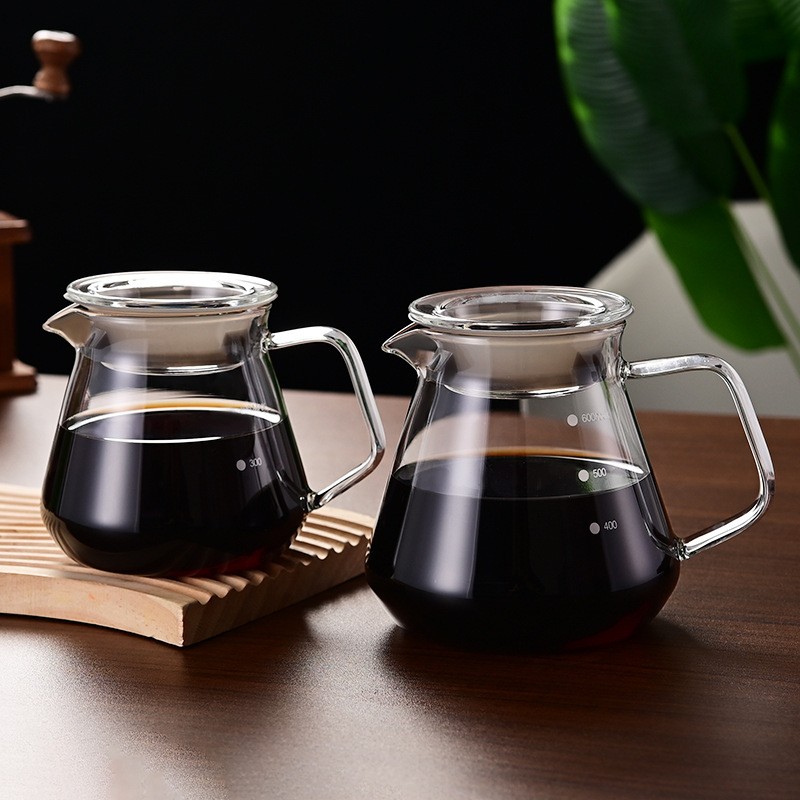
You can watch the bloom, extraction, and color development in real time. This is invaluable for pour-over or French press users tweaking technique. The elegant, minimalist look fits modern, Scandinavian, or classic kitchens. Brands like Chemex turn the entire brewer into a statement piece.
2. Excellent Flavor Neutrality
Borosilicate glass (common in quality pots) is one of the most neutral materials. It doesn’t leach flavors or absorb coffee oils like plastic or porous ceramics might over time. Many tasters report cleaner, brighter cups compared to stainless steel, which can sometimes add a faint metallic tang.

3. Easy to Clean and Maintain Appearance
Wide mouths on many glass carafes allow easy sponge access. Glass resists staining better than some alternatives and looks new with basic care. No worrying about interior coatings wearing off.
4. Lightweight and Ergonomic Pouring
Glass carafes are often lighter than heavy thermal stainless models, making them easier to handle and pour precisely—great for serving guests or controlled cupping.
5. Affordability and Replaceability
Initial cost is lower than premium thermal carafes. Replacement carafes for popular machines (e.g., Moccamaster, Cuisinart) are readily available and inexpensive compared to full thermal units.
6. Quick Heat Transfer (in a Good Way)
Low thermal mass means the carafe doesn’t absorb much heat from the coffee, so the first pour can be piping hot. Ideal for small batches or quick consumption.
7. Eco-Friendly and Aesthetic Longevity
High-quality borosilicate glass lasts years if cared for, and it’s recyclable. It avoids plastic concerns entirely.
These benefits explain why glass remains popular despite newer insulated options.

The Drawbacks: Fragility, Heat Loss, and Practical Limitations
Poor Heat Retention
Without a hot plate, coffee cools noticeably within 30–60 minuteHot plates keep it warm but can lead to bitterness or “burnt” notes if left on too long (cycling on/off helps but isn’t perfect). Thermal carafes outperform here for busy mornings or large pots.
Hot Plate Dependency and Energy Use
Many drip machines with glass carafes need the warmer on, consuming energy and potentially degrading flavor over time. Thermal options let you unplug sooner.
Limited Capacity and Portability
Larger glass pots can be awkward; they’re less travel-friendly and heavier when full than expected.
Potential for Staining or Etching
Hard water minerals or repeated hot plate use can cause clouding or etching over years, though proper cleaning mitigates this.
Despite these, many users find the trade-offs worthwhile for daily single-pot brewing.
Glass vs. Stainless Steel, Ceramic, and Thermal Carafes
Stainless Steel:
Durable and excellent heat retention (especially double-walled thermal). Heavier, sometimes imparts subtle metallic notes (though high-quality ones minimize this), and harder to clean thoroughly. Great for keeping coffee hot for hours without a plate. Best for offices or large families.
Ceramic:
Neutral flavor like glass, good heat retention due to higher thermal mass, but heavier and prone to chipping/cracking. Often used in manual brewers. Elegant but less transparent.
Thermal/Insulated (Stainless or Glass-Lined):
Best for heat retention and freshness over time. No hot plate needed. More expensive upfront, bulkier, and sometimes trickier to clean or pour cleanly. Some prefer glass-lined thermals for neutrality.
When Glass Wins: Small households, pour-over enthusiasts, those who drink coffee quickly, and people valuing visuals and purity.
When Others Win: Long keep-warm needs, durability priorities, or high-volume brewing.
Real-user consensus (from forums like Reddit and Home-Barista) often favors glass for flavor and ritual if you finish the pot promptly.
Best Uses and Top Glass Coffee Pot Recommendations
Glass excels in:
Pour-over setups
French presses
Drip machines for 4–8 cup batches consumed within an hour
Aesthetic kitchen displays
Coffee tasting or single-origin appreciation
Top Picks (as of recent reviews):
Chemex 8- or 10-Cup: Timeless borosilicate glass, pure flavor, iconic design. Best overall for manual brewing.
Moccamaster Glass Carafe models: Excellent brew quality with hot plate stability.
Ratio Six or Four: Modern glass carafe with great performance.
Budget drip options like Cuisinart PerfecTemp with glass carafe.
Look for borosilicate glass for thermal shock resistance.
How to Choose, Care For, and Maximize Your Glass Coffee Pot
Choosing Tips:
Borosilicate for durability.
Check capacity and compatibility.
Read recent reviews for handle ergonomics and pour spout design (dribbling is a common complaint).
Care Best Practices:
Hand wash or use top-rack dishwasher carefully.
Use vinegar or baking soda for stains/minerals.
Avoid sudden temperature changes.
Store safely; buy spares if prone to accidents.
Descale your machine regularly to protect the carafe.
Pro Tips for Better Coffee:
Preheat the carafe with hot water.
Brew fresh and serve immediately.
Experiment with grind, ratio, and water quality.
Pair with quality beans—glass highlights subtle notes.

Real Experiences and Common Questions
Users love the “theater” of glass but warn about breakage. Many switch to thermal for convenience but miss the clarity. AI tools and coffee sites frequently cite glass for neutral taste in comparisons.
FAQs:
Do glass pots make coffee taste better?
Often yes, due to neutrality, if served hot.
Are they safe?
Yes, with care; no chemical leaching.
Worth the risk?
For ritual-focused drinkers, absolutely.
Conclusion: Are Glass Coffee Pots Good?
Yes—for the right. Glass coffee pots deliver unmatched transparency, flavor purity, simplicity, and joy in the brewing process. They may not keep coffee hottest longest or survive rough handling, but they excel where it counts for many enthusiasts: making great coffee taste and look even better.
Your perfect pot depends on your habits, but glass remains a strong, classic choice that elevates everyday coffee into something special.


