
This product is no longer available
![]()
![]()
![]()
![]()
![]()
![]()
![]()
![]()
![]()
![]()


 |


Share to:


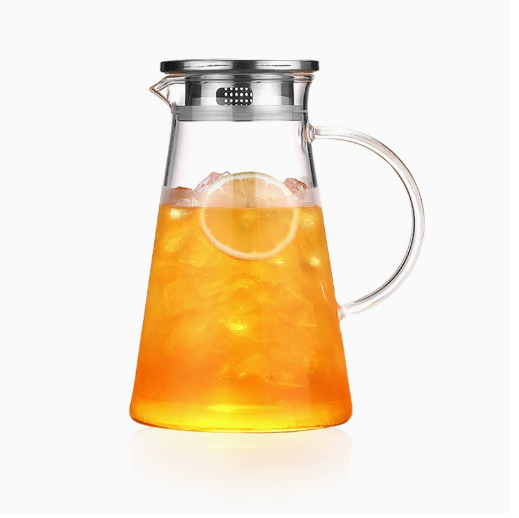
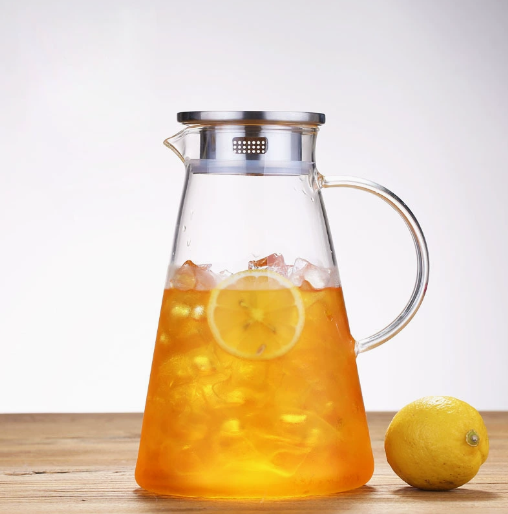
Glass Pitchers 1500ML 1800ML Large capacity Glass Pitchers Glass Pitcher with Lid
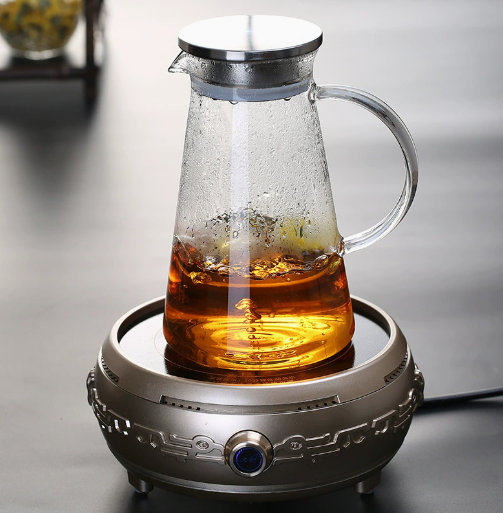
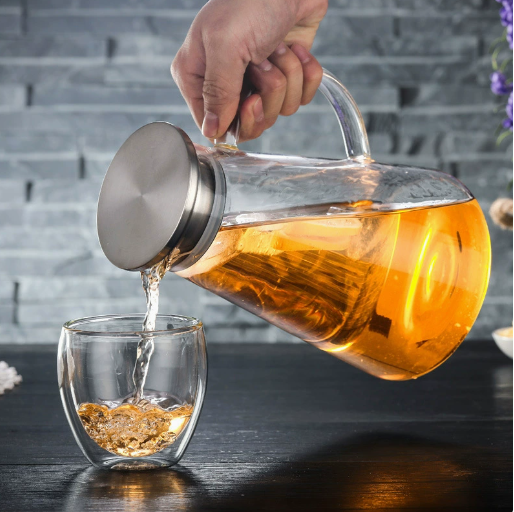
Glass Pitcher with Lid is made of high-quality borosilicate glass, which is healthy and safe. The handle is enlarged and thickened, which is convenient for holding and pouring water. It can hold juice, milk, coffee, lemonade and other drinks.
-
hjglass


We offer customized packaging

Glass Pitcher with Lid is made of high-quality borosilicate glass, which is healthy and safe. The handle is enlarged and thickened, which is convenient for holding and pouring water. It can hold juice, milk, coffee, lemonade and other drinks.
Advantages of Glass Cup
Easy to clean glass:cups are easy to clean and do not retain odors or flavors, making them ideal for both hot and cold drinks. They can be washed in a dishwasher or by hand.
Environmentally friendly:Glass cups are recyclable and can be reused multiple times, making them an environmentally friendly choice compared to disposable plastic cups.
Stylish appearance :Glass cups come in various colors, shapes, and sizes, making them a stylish addition to any table setting. They also allow you to see the color and texture of your drink, adding to its visual appeal.
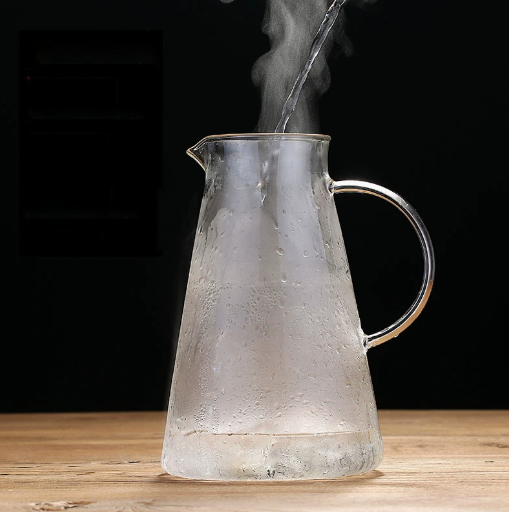
Heat resistant :Glass cups can handle extreme temperatures, making them ideal for both hot and cold drinks. They do not crack or melt when exposed to hot liquids, making them a safe choice for hot beverages like tea, coffee, and cocoa.
Types Of Glass Cup
Cocktail glasses:These glasses come in many different shapes, sizes, and styles to accommodate the different types of cocktails being served. Some popular cocktail glasses include martini glasses, margarita glasses, and hurricane glasses.
Tumblers:These are short glasses that are often used for serving whiskey or other spirits on the rocks. They can also be used for serving non-alcoholic beverages such as lemonade and soda.
Shot glasses: These small glasses are designed for serving shots of liquor or other small portions of drinks. They are often made of thick and heavy glass to prevent breakage.
Tea and coffee cups: These cups are specifically designed for serving hot beverages such as tea and coffee. They come in various shapes and sizes and are often made of ceramic or porcelain, though glass options are also available.
Drinking glasses: These are typical glasses that are designed for drinking beverages such as water, juice, and soda. They come in various shapes, sizes, and materials such as crystal, tempered glass, and recycled glass.
Wine glasses :These glasses are specifically designed for drinking wine. They come in various styles including red, white, and champagne glasses. Each style is designed to enhance the aroma and taste of the wine being served.
Beer glasses :Just like wine glasses, there are different styles of beer glasses for different types of beer such as pilsner glasses, pint glasses, and wheat beer glasses. These glasses are designed to enhance the aroma and flavor of the beer.
How to Choose Glass Cup
Consider the material
Glass cups come in a variety of materials, including tempered glass, borosilicate glass, crystal glass, and more. Each has its own unique characteristics in terms of durability, heat resistance, and clarity. Choose a material that suits your needs and preferences.
Determine the use
Think about what you will be using the glass cup for. Will it be for hot or cold beverages? Will it be used for everyday use or for special occasions? This will help guide you in choosing the appropriate size, shape, and style of glass cup.
Check the quality
The quality of the glass cup can affect its lifespan, as well as its safety. Check for any cracks, chips, or bubbles in the glass. Ensure that the glass is thick enough to withstandl regular use.
Consider the design
Glass cups come in a variety of designs, from simple and classic to intricate and decorative. Choose a design that suits your personal style and complements your existing tableware.
Think about maintenance
Some types of glass cups may require more careful cleaning or handling than others. Consider your lifestyle and how much time and effort you're willing to put into maintaining your glass cups.
Process of Glass Cup
Preparation of raw materials: The first step is the collection of raw materials such as silica sand, soda ash and limestone. These materials are then mixed in appropriate ratios and crushed into fine grains.
Glass melting: The crushed raw materials are then fed into a furnace and heated until they melt. The temperature inside the furnace is typically around 1600C.
Glass forming: Once the glass is melted, it is then poured onto a flat surface or into a mold. The glass is then shaped into the desired form, either by blowing air through a long tube into the molten glass or by pressing the molten glass into a mold.
Glass annealing: After the glass has been formed into a cup shape, it is heated to a lower temperature and then cooled slowly in a process called annealing. This process helps to relieve any internal stress in the glass, making it stronger and less likely to break
Finishing: Once the annealing process is complete, the glass cup is cut to size and any rough edges are smoothed out. The cup is then cleaned, inspected for defects, and packaged for shipment.
The Application Fields of Glass Cups
Drinking water: Glass is the most common way to drink water. They are perfect for serving hot and cold drinks such as coffee, tea, juice, water and wine. Clear glasses are great for serving rich, colorful drinks because they better show off the contents.
Decoration: Glass tumblers are a great addition to any decoration. They come in all shapes and sizes, and some have decorations such as carvings, paintings, or even textures. As decorative elements, they can be used as vases, candlesticks or even as centerpieces.
Food: Glass cups are perfect for serving desserts and appetizers. They can be used to hold desserts such as ice cream, sorbet, pudding and mousse. They can also be used to hold dips, sauces, and snacks like shrimp cocktails.
Medicine: Glass cups are used in the medical field as containers for liquids and powders. They are used to dispense medications, store samples for analysis, and many other medical purposes.
Laboratory: Glass cups are used in laboratories and research centers to conduct chemical reactions or measure liquids. They are heat resistant and do not react chemically with most chemicals, making them ideal for use in scientific laboratories.
Things to Note When Using Glass Cup
Firstly, glass cups are fragile and can easily break if not handled with care. Therefore, it is important to hold the cup firmly with both hands and avoid placing it on an unstable surface.
Secondly, glass cups are susceptible to temperature changes, especially extreme heat or cold. Thus, it is not recommended to use them for hot beverages such as boiling water or to put them directly in the fridge or freezer. Allow the glass to adjust to room temperature before adding hot or cold liquids.
Thirdly, glass cups require gentle cleaning. Abrasive or harsh cleaners can damage the glass and shorten its lifespan. It is best to wash glass cups by hand, using mild soap and warm water, and to dry them off with a soft cloth.
Lastly, it is important to regularly inspect glass cups for any cracks or chips that may compromise their functionality and safety. If any damages are found, it is best to stop using the cup and replace it with a new one.
How Can You Tell If A Glass Cup Is High-Quality
Thickness And Weight

High-quality glass cups tend to be thicker and heavier than cheap ones. Thicker glass is less likely to break or crack, and a heavier cup can feel more luxurious in your hand.
Clarity

The clarity of the glass can indicate its quality. Clear, high-quality glass will have no visible bubbles, cracks or scratches, and will be free from any impurities or other imperfections.
Design And Craftsmanship

A well-designed and expertly crafted glass cup will demonstrate attention to detail and care in its production. Look for smooth edges and clean lines, and examine the overall symmetry of the cup.
Durability

High-quality glass cups are designed to be durable, able to withstand everyday use without chipping or breaking. Be sure to check whether the cup is dishwasher and microwave safe, as these can indicate the quality of the materials and the manufacturing process.


